From architectural panels and domestic appliances to automotive applications and industrial equipment, coatings play a vital role in protecting surfaces, enhancing performance and extending service life. Yet not all coatings are created equal. In broad terms, most surface protection systems fall into one of two categories: organic or inorganic. Understanding the difference between these technologies is essential when selecting the right solution for durability, sustainability and long-term value.
What defines organic coatings?
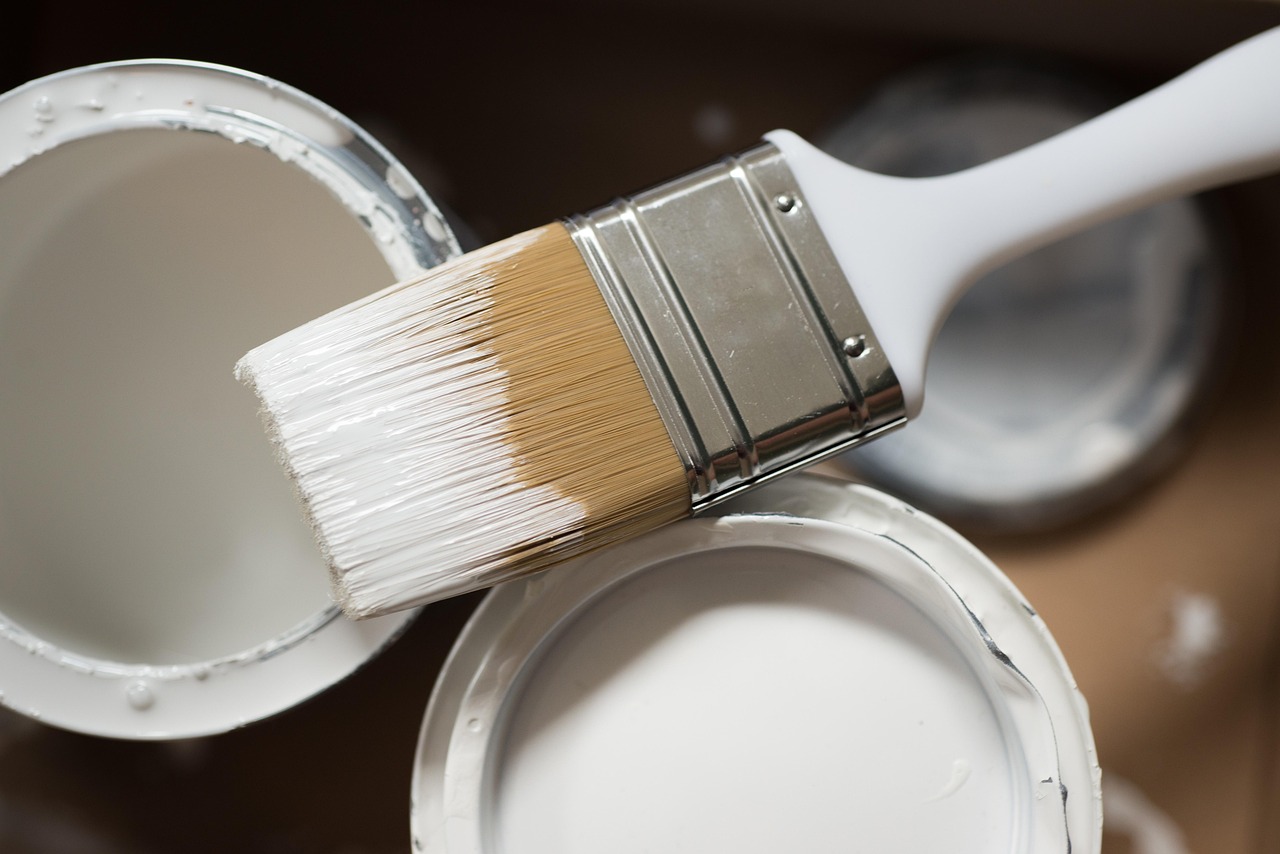
Organic coatings are formulated from carbon-containing polymers, such as epoxies, polyurethanes, acrylics and other resin systems, that form a protective film on the substrate (application can be done on a wet basis as well as dry basis such as electrostatic powder application). Common examples of this are paints, varnishes, lacquers and other systems using natural or synthetic matter as a base. They are relatively easy to apply and provide a broad variety of colours and finishes.
Inorganic Coatings: The science of permanent bonding
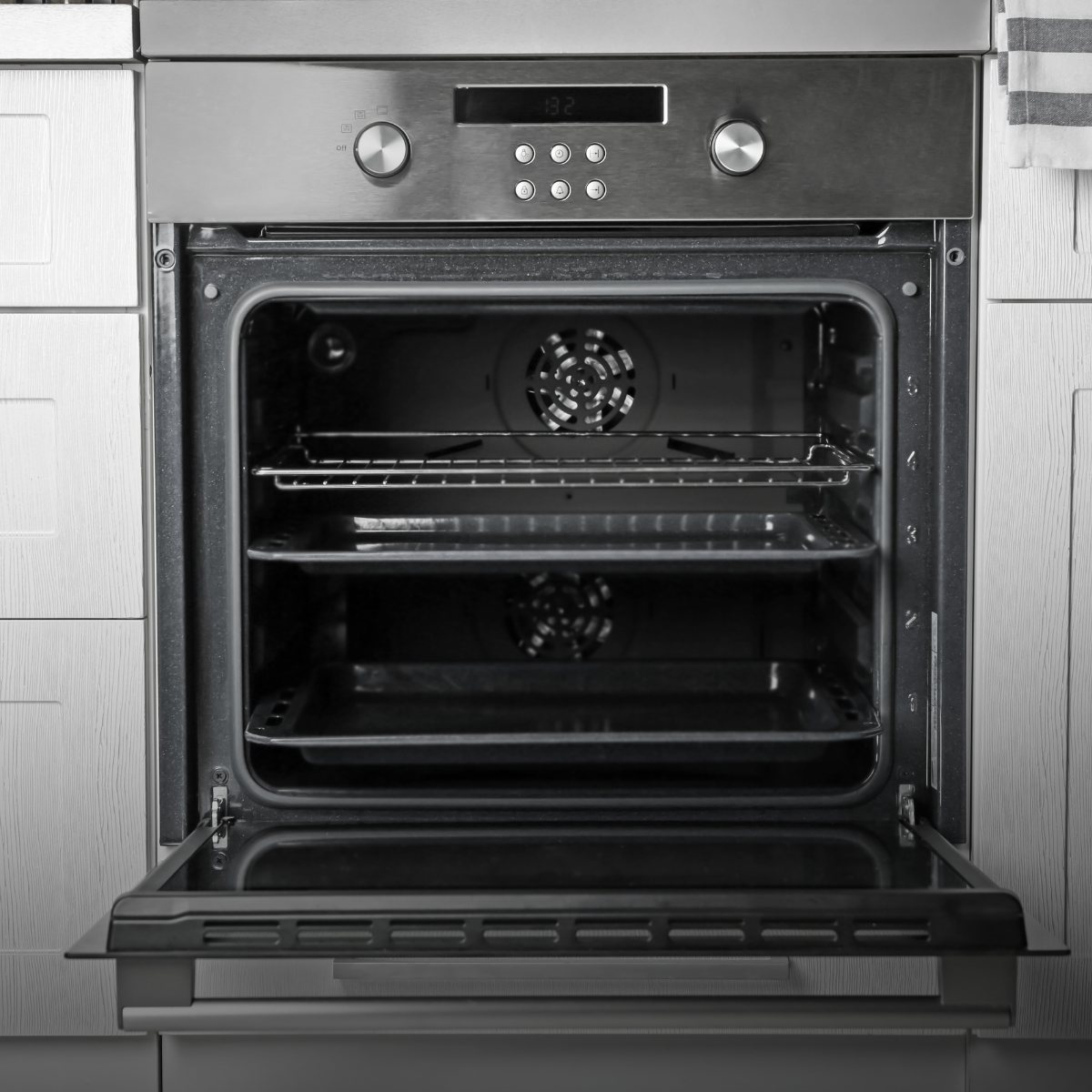
Inorganic coatings are fundamentally different. Based on mineral, ceramic or metallic compounds, these systems form a chemical bond with the substrate during processing. Common examples include anodizing, phosphate conversion coatings, ceramic thermal barrier coatings and porcelain enamel. In porcelain enamelling, powdered glass known as enamel frit, is fused to a metal surface at high temperatures, creating a chemically bonded, protective layer.
Performance under heat and chemical exposure
One of the most important differences between organic and inorganic coatings is how they respond to heat and chemicals. Organic coatings perform well at ambient conditions, but under sustained thermal load, ultraviolet radiation, or exposure to harsh chemicals, they can degrade. This degradation often appears as chalking, fading, or loss of adhesion, reducing both appearance and protective performance over time.
Inorganic coatings remain stable at high temperatures as their inorganic glass networks are resistant to thermal breakdown and maintain integrity in environments involving combustion, hot liquids, or corrosive atmospheres. This makes them especially suitable for application in chimney flue pipes, water heaters, heat exchangers, appliances and chemical vessels, as well as cookware and sanitaryware.
It is also worth to note, that inorganic coatings have better abrasion and scratch resistance than organic coatings.
Aesthetic considerations
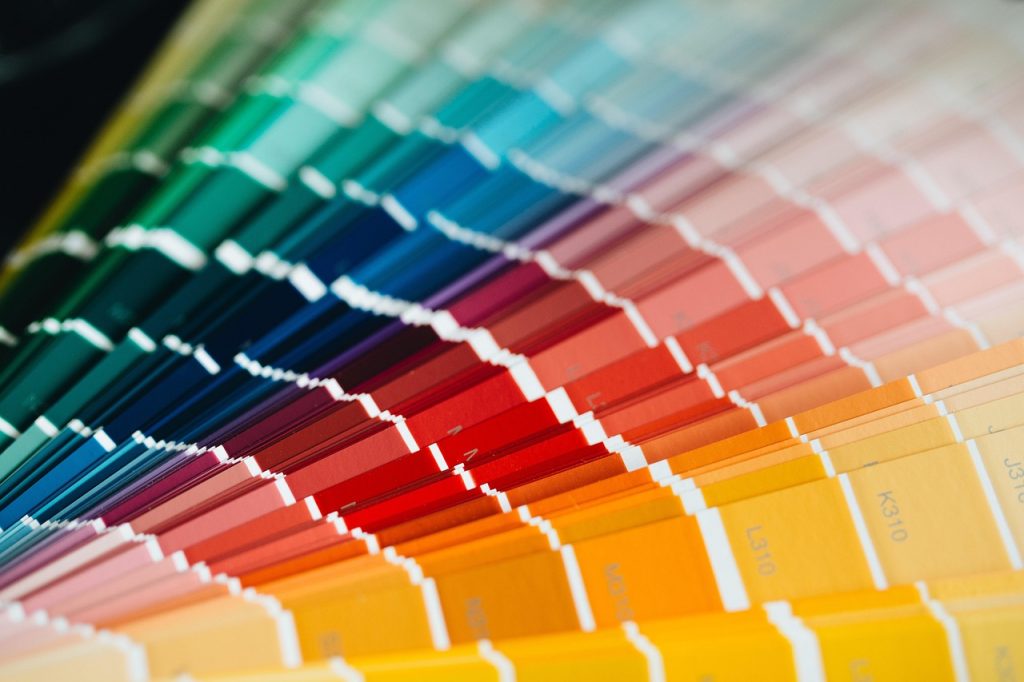
One of the traditional strengths of organic coatings is visual flexibility. They can be produced in nearly unlimited colours, textures, and gloss which makes them attractive for branding, interior design or decorative finishes. They can suffer from colour fading over time.
Inorganic coatings, such as porcelain enamel, have a smaller range of colours available, however, are more resistant to weather conditions and are fully colour-stable. They are often used in architectural applications such as exterior panelling.
Application and processing differences
Organic coatings are typically applied by spraying (wet or dry), brushing or rolling and dried or cured at relatively low temperatures. This simplicity is often an advantage in production environments focused on speed, flexibility and low initial cost.
Inorganic coatings such as porcelain enamelling, require controlled firing in kilns or furnaces to fuse the enamel coating to the substrate. While these processes involve higher initial energy and specialised equipment costs, the result is a coating with more long-term value.
Sustainability and environmental factors
Sustainability and environmental protection are increasingly important considerations in coatings selection. Some organic systems still contain solvents and volatile organic compounds (VOCs), which can pose regulatory and environmental challenges. In contrast, inorganic coating systems are inherently VOC-free and have a long service life, which can reduce the frequency of maintenance and repainting, contributing to lower lifecycle environmental impact.
Choosing the right coating
Both organic and inorganic coatings play vital roles across industries. Choosing the right one is not about which technology is better, but which is better aligned with the requirements of the application and the desired performance of the end product.
At PEMCO International, our knowledge and experience in inorganic technologies allows us to help manufacturers evaluate coating options and select the right solution for performance, sustainability and lifecycle value. Contact our sales team today to find out more.